


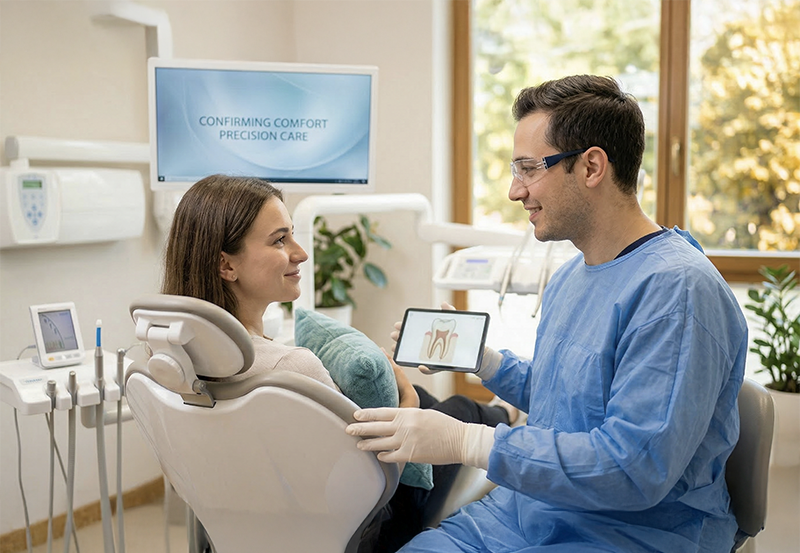
For years, root canal treatment has been surrounded by fear and misunderstanding. Many people still associate it with pain and discomfort. However, modern dentistry has transformed this once-dreaded procedure into a painless, comfortable, and highly effective solution for saving damaged teeth.
Here are five key reasons why root canal procedures today are far more comfortable than they used to be.
1. Advanced Anesthesia Techniques Ensure Comfort
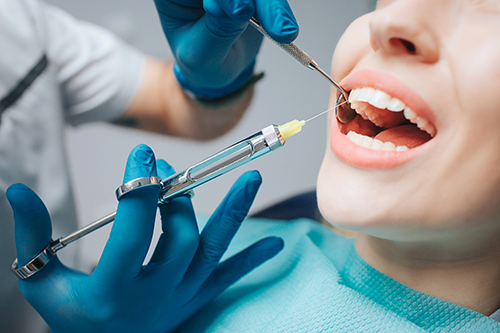
One of the biggest reasons root canal treatments are no longer painful is the use of advanced local anesthesia. Modern anesthetics are highly effective and work quickly to completely numb the affected area.
Before starting the procedure, your dentist ensures that the tooth and surrounding tissues are fully anesthetized.
Some other methods that clinics use are topical numbing gels before injections, computer-controlled anesthesia delivery systems and fine, ultra-thin needles for minimal discomfort. These advancements make the numbing process itself much more comfortable, resulting in a root canal that feels similar to getting a routine filling.
2. Improved Precision with Modern Technology
Technology has dramatically changed how dentists perform root canal treatments. Modern dental clinics use advanced tools that make procedures quicker, safer, and more precise.
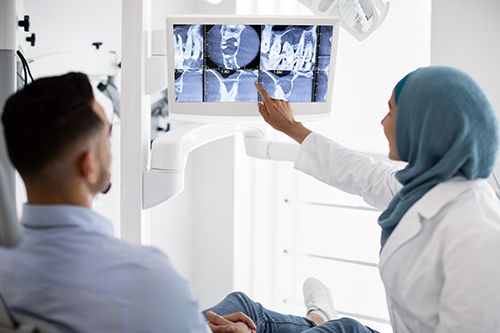
Digital X-rays – Digital imaging provides clear and detailed views of the tooth and surrounding bone. This allows dentists to accurately assess the infection and plan treatment effectively during your dental checkup.
Rotary Instruments – Instead of manual files used in the past, dentists now use flexible rotary instruments powered by electric motors. These tools:
- Clean canals more efficiently
- Reduce procedure time
- Improve accuracy
- Minimize discomfort
Apex Locators – Electronic apex locators help determine the exact length of the root canal, reducing guesswork and improving precision.
All of these technologies contribute to a smoother and more comfortable experience for patients.
3. Improved Cleaning and Shaping Techniques
A root canal is performed to remove infected or inflamed pulp inside the tooth. Modern cleaning and shaping methods ensure that the infected tissue is removed thoroughly, which significantly reduces post-treatment discomfort.
- Advanced antimicrobial solutions
- Irrigation systems that flush bacteria effectively
- Enhanced sterilization protocols
By cleaning and shaping the canals effectively, endodontists reduce the risk of lingering infection, which means less pain during recovery.
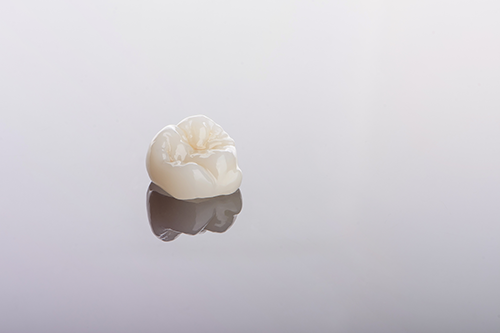
After root canal treatment, placing a crown is always recommended to prevent fracture and ensure long-term strength and function of the tooth.
4. Faster Procedures with Minimal Trauma
In the past, root canal treatments sometimes required multiple lengthy visits. Modern advancements allow many procedures to be completed in just one or two appointments. Modern instruments are designed to be minimally invasive. Endodontists preserve as much healthy tooth structure as possible, which reduces trauma and speeds up recovery. After the root canal, your endodontist places a permanent restoration, such as a dental crown, to strengthen the tooth. Thanks to improved materials and techniques, this restoration process is also comfortable and efficient.
5. Focus on Patient Comfort and Anxiety Management
Modern dental clinics focus on patient comfort by using gentle techniques, effective anesthesia, and clear explanations. Creating a calm environment and offering relaxation or sedation options helps reduce fear, ensuring the procedure is as comfortable and stress-free as possible for every patient.
What Actually Causes Root Canal Pain?
Root canal treatment does not cause pain it relieves it. When the pulp inside a tooth becomes infected due to deep decay, cracks, or trauma, it creates pressure and inflammation. This leads to severe toothache, sensitivity to hot and cold, swelling, and pain when chewing. The root canal procedure removes the infected tissue, cleans and shapes the canals, and eliminates the source of pain. Most patients feel immediate relief after treatment.
What to Expect After a Root Canal
Some mild soreness is normal for a few days after the procedure, especially when chewing. However, this discomfort is typically manageable with over-the-counter pain relievers.
For smooth recovery
- Avoid chewing on the treated tooth until fully restored
- Maintain good oral hygiene
- Attend follow-up dental checkups
- Get a crown if recommended
Once restored, the treated tooth can function just like a natural tooth for many years.
Importance of Early Dental Checkups
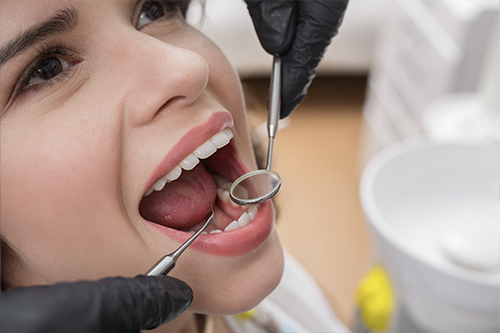
Regular dental checkups play a crucial role in preventing the need for root canal treatment in the first place.
During routine visits, your dentist can
- Detect cavities early
- Identify cracks or fractures
- Monitor gum health
- Take X-rays to spot hidden infections
Treating small issues early often prevents them from progressing into deep infections that require root canal therapy. If you experience persistent tooth pain, sensitivity, or swelling, scheduling a dental checkup promptly can prevent complications.
Modern Root Canal vs. Tooth Extraction
Some people consider extracting a damaged tooth to avoid a root canal. However, preserving your natural tooth is almost always the better option.
Root canal treatment maintains natural chewing function, prevents neighbouring teeth from shifting, preserves jawbone health, avoids the need for complex replacements like implants or dental bridges. With modern techniques, saving your natural tooth is comfortable and highly successful.
If you have an infected tooth or think you need to undergo root canal treatment, contact us today at 800777000 to book an appointment with our specialist endodontists at Go Dental clinics.