


Dental implants have become the gold standard for replacing missing teeth, offering long-term stability, natural aesthetics, and strong chewing function. However, not all implants follow the same timeline. Patients today often have two main options- same-day implants and traditional implants.
While both approaches aim to restore your smile, they differ significantly in treatment time, healing process, and clinical planning. Understanding these differences can help you choose the right option based on your oral health, lifestyle, and expectations.
What Are Dental Implants?
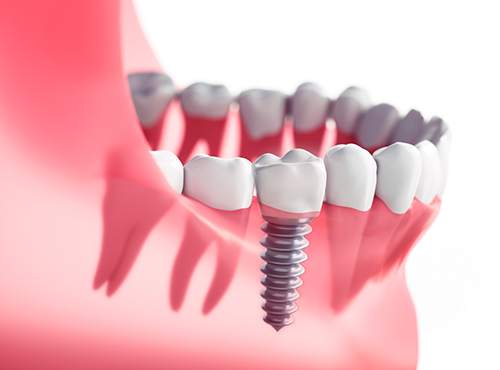
A dental implant is an artificial tooth root, usually made of titanium, that is surgically placed into the jawbone. It supports a dental crown, bridge, or denture, replacing missing teeth in a way that closely mimics natural teeth.
Types of Dental Implant Materials
Dental implants are commonly made from two main materials – titanium implants and zirconia implants. Titanium implants are the most widely used due to their excellent strength, durability, and proven ability to integrate well with bone (osseointegration). Zirconia implants, on the other hand, are metal-free and offer high aesthetic value, especially for patients seeking a more natural or holistic option. Both materials are biocompatible, and the choice depends on individual clinical needs, bone condition, and aesthetic preferences.
Traditional Dental Implants- Step-by-Step Approach
Traditional implants follow a staged process that allows the bone and implant to heal and integrate before placing the final tooth.
Step 1: Tooth Extraction (if needed)
If a damaged tooth is present, it is first removed. The site is allowed to heal for several weeks or months.
Step 2: Implant Placement
The titanium implant is surgically inserted into the jawbone.
Step 3: Healing Phase (Osseointegration)
This is the most critical stage. The implant fuses with the bone over 3 to 6 months, creating a stable foundation.
Step 4: Abutment and Crown Placement
Once healing is complete, a connector (abutment) is attached, followed by the final crown.
Total Treatment Time:
Typically 3 to 9 months, depending on bone health and case complexity.
Same-Day Dental Implants- Immediate Solution
Same-day implants, also known as immediate-load implants, allow placement of a temporary tooth on the same day as implant surgery.
How It Works: The treatment may involve tooth extraction if required, followed by precise implant placement into the jawbone. In many cases, a temporary crown is fixed on the same day, allowing the patient to leave the clinic with a functional and aesthetic tooth immediately. The final permanent crown is placed after complete healing and integration of the implant, usually after a few months. Total treatment time includes same-day initial restoration, with the final crown placement completed once healing is fully achieved.
Key Differences Between Same-Day and Traditional Implants
Let’s compare both approaches across important factors.
| Feature | Traditional Dental Implants | Same-Day Dental Implants |
|---|---|---|
| Treatment Timeline | 3–9 months (multi-stage process) | Implant + temporary tooth placed on same day; final crown after healing |
| Procedure Stages | Multiple visits (extraction, implant placement, healing, crown) | Usually single surgical visit for implant + temporary crown |
| Healing Approach | Full healing before loading the implant (no immediate pressure) | Immediate loading with temporary tooth |
| Aesthetic Outcome | May have temporary gap or removable denture during healing | Immediate visible tooth replacement |
| Comfort & Lifestyle Impact | Longer process; temporary adjustments may be needed | Minimal disruption; immediate restoration of smile |
| Suitability | Suitable for almost all patients, including complex cases | Suitable only for patients with good bone quality and stability |
| Bone Requirements | Can be used even with low bone density (with grafting if needed) | Requires strong, healthy bone for immediate loading |
| Success Rate | Very high (95–98%), long-term predictable | High when properly selected cases; slightly technique-sensitive |
| Risk Level | Lower risk due to staged healing | Slightly higher risk if case selection is not ideal |
| Final Aesthetic Stability | Highly stable after complete healing | Stable after final crown placement, but depends on initial healing success |
| Cost Structure | Often spread across multiple stages | Higher upfront cost, fewer visits overall |
| Patient Convenience | More visits and longer waiting time | Faster, more convenient, immediate results |
| Technology Used | Conventional + digital planning (CBCT, scans) | Advanced digital planning (CBCT, guided surgery, immediate load planning) |
| Best For | Patients prioritizing long-term biological healing and complex cases | Patients wanting quick smile restoration and good bone support |

The ideal choice depends on a personalised treatment plan based on a thorough clinical evaluation. With modern diagnostics and expert care, both options can restore a natural-looking, functional smile that lasts for years. If you are considering dental implants, consulting an implant specialist is the first step toward selecting the safest and most suitable option for your case. Contact us today at 800777000 to book an appointment with our specialist implantologist at Go Dental Clinics.