


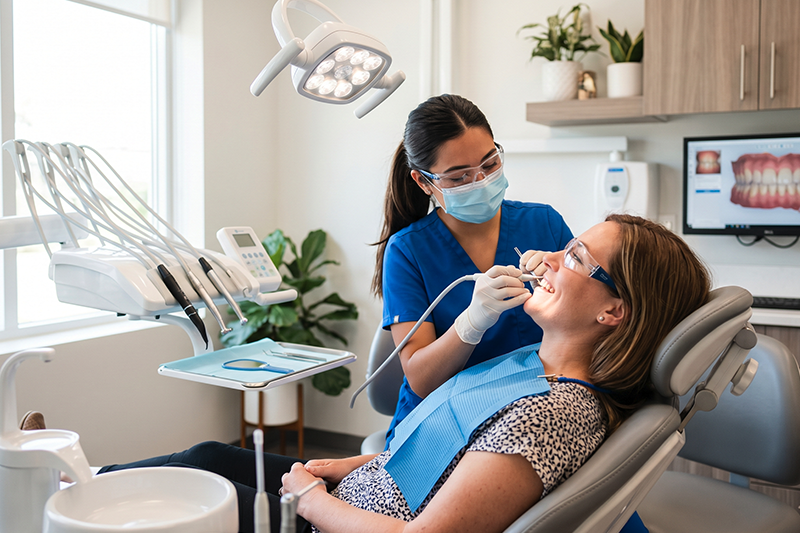
Most people think a dental cleaning appointment is just about polishing teeth and removing stains. While that’s definitely part of it, there’s actually a lot more happening during your visit than you might realize.
A routine cleaning is not just about making your smile look good. It’s also about keeping your mouth healthy and catching problems early before they become serious and expensive.
Let’s walk through what your dentist and hygienist are really checking during a cleaning appointment and why each step matters.
1. A Quick Review of Your Medical History
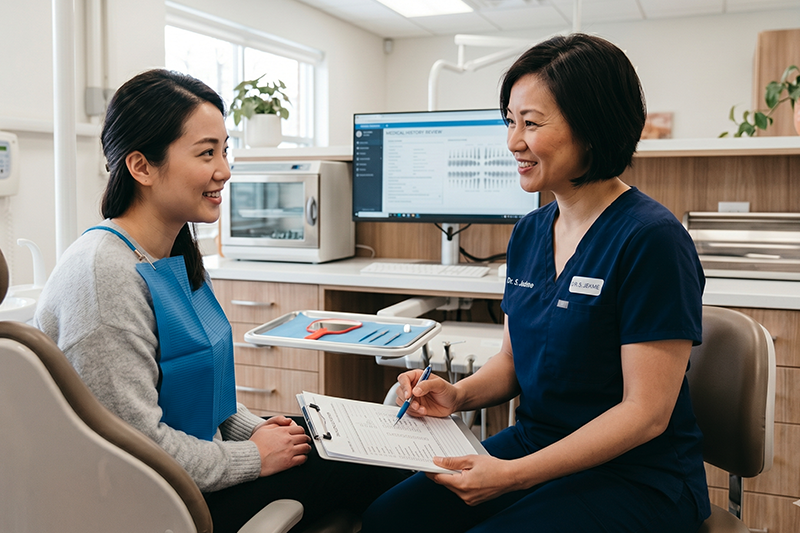
Before your cleaning even begins, your dentist or hygienist may ask if there have been any changes in your health.
This could include
- New medications
- Recent illnesses
- Pregnancy
- Chronic conditions like diabetes
You might wonder why this matters for your teeth, but your oral health is closely linked to your overall health. Certain medications can cause dry mouth, and conditions like diabetes can increase your risk of gum disease. This quick dental check helps your dentist tailor your care safely and effectively.
2. Examination of Your Teeth
Next comes a close look at your teeth. Your dentist will check for
- Cavities (tooth decay)
- Cracks or chips
- Worn-down enamel
- Existing fillings or crowns
Even small issues can turn into bigger problems if left untreated. Catching a cavity early, for example, can save you from needing a root canal later. This step is like a routine inspection. It ensures everything is structurally sound.
3. Gum Health Check
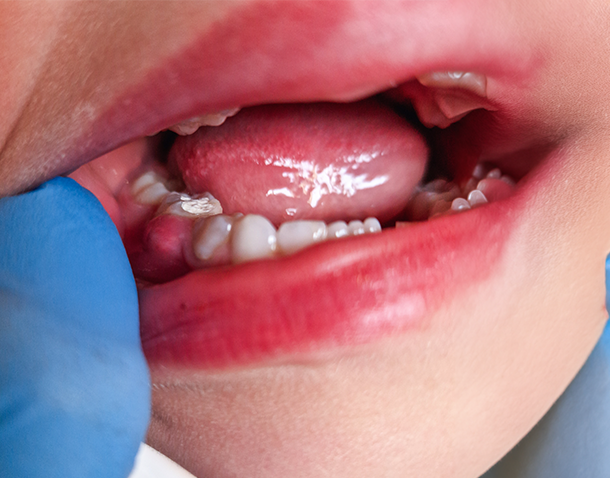
Healthy gums are just as important as healthy teeth. During your cleaning, your dentist or hygienist will carefully examine your gums for signs of
- Redness or swelling
- Bleeding
- Gum recession
- Periodontal (gum) disease
They may use a small tool to measure the depth of the spaces between your teeth and gums. This helps detect early stages of gum disease, even before you notice symptoms. Gum disease often develops silently, so this check is essential for preventing long-term damage.
4. Plaque and Tartar Buildup
No matter how well you brush and floss, some plaque can still build up especially in hard-to-reach areas. During your cleaning, the hygienist removes
- Plaque (a sticky film of bacteria)
- Tartar (hardened plaque that can’t be removed at home)
Tartar is particularly important to remove because it can lead to gum disease and tooth decay if left untreated. This is one of the main reasons professional dental cleanings are so important. You simply can’t do this part yourself at home.
5. Professional Cleaning and Polishing
Once the dental check-ups are done, your teeth get the deep clean they deserve. This includes scaling which removes plaque and tartar, polishing that removes surface stains and flossing. Polishing not only makes your teeth feel smooth and look brighter, but it also helps prevent plaque from sticking to your teeth again quickly.
6. Checking for Signs of Oral Cancer
One of the most important stage of a dental visit is the oral cancer screening. Your dentist will examine your tongue, cheeks, lips, throat, floor of the mouth. They’re looking for unusual lumps, patches, or sores that don’t heal. Early detection of oral cancer can be life-saving, which makes this quick check incredibly valuable.
7. Bite and Jaw Evaluation
Your dentist may also check how your teeth come together when you bite. They look for misalignment, uneven wear and signs of teeth grinding (bruxism). If your bite isn’t aligned properly, it can lead to jaw pain, headaches, and excessive wear on your teeth over time. In some cases, they might recommend orthodontic treatment or a night guard.
8. Checking for Teeth Grinding or Clenching
Many people grind or clench their teeth without even realizing it, especially during sleep. Your dentist looks for signs such as flattened teeth, tiny cracks, jaw tension. If detected early, solutions like a custom night guard can protect your teeth from long-term damage.
9. X-Rays (If Needed)
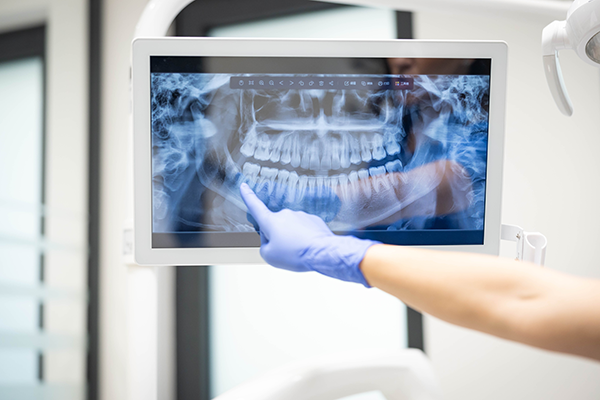
Not every cleaning appointment requires X-rays, but your dentist may recommend them occasionally. X-rays help detect issues that aren’t visible to the naked eye, such as cavities between teeth, bone loss, impacted teeth and infections. Think of X-rays as a deeper look beneath the surface, they help ensure nothing is missed.
10. Personalized Advice for Your Oral Care Routine
Before you leave, your dentist or hygienist will usually give you personalized tips to improve your oral hygiene.
- Better brushing techniques
- Flossing tips
- Product recommendations (toothpaste, mouthwash)
- Dietary advice
This part is often underrated, but it can make a big difference in maintaining your oral health between visits.
Why Regular Cleanings Matter
It’s easy to postpone a dental appointment when everything feels fine. But many dental problems develop quietly, without pain or obvious symptoms.
Regular cleaning appointments help prevent cavities and gum disease, detect issues early, save money on future treatments and keep your smile healthy and confident. They’re an investment in both your oral health and your overall well-being. A dental cleaning appointment is a comprehensive check-up that ensures your teeth, gums, and overall oral health are in good shape. Contact us today at 800777000 to book an appointment with our specialist dentists at Go Dental Clinics.