



Orthodontic treatment has evolved significantly over the years, moving far beyond traditional metal brackets and frequent tightening appointments. One of the most advanced systems available today is Damon Braces, a self-ligating orthodontic method designed to straighten teeth more comfortably and efficiently.
If you are considering this treatment, understanding what to expect at every stage can help you feel more confident and prepared. Damon Braces are known for their modern design, reduced discomfort, and potentially shorter treatment times compared to conventional braces but like any orthodontic journey, it still requires patience and commitment.
What Are Damon Braces?
Damon Braces are a type of self-ligating braces system that uses a special sliding mechanism instead of elastic ties to hold the archwire in place. This allows teeth to move more freely and with less friction.
Unlike traditional braces, which require regular tightening, Damon Braces use lighter forces and more biologically guided tooth movement.
Stage 1: Initial Consultation and Assessment
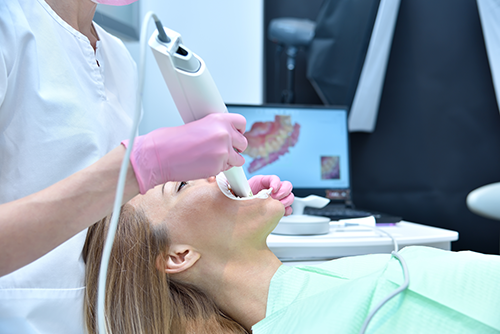
Your journey begins with a comprehensive orthodontic evaluation.
During this stage, your orthodontist will
- Examine your teeth, bite, and jaw alignment
- Take X-rays and digital scans
- Analyze facial structure and smile balance
- Discuss your treatment goals
This step is essential because Damon Braces are not just about straight teeth they are also about achieving harmony between teeth, lips, and facial structure.
You will also be informed whether Damon Braces are suitable for your case or if alternative treatments may be better.
Stage 2: Treatment Planning
Once you are confirmed as a suitable candidate, a detailed treatment plan is created.
This includes:
- A step-by-step movement plan for each tooth
- Estimated treatment duration
- Expected changes in bite and facial profile
- Digital simulation of expected treatment outcome (in many modern clinics)
One of the key advantages of Damon Braces is that they allow for more predictable and natural expansion of the dental arches in many cases, reducing the need for tooth extractions.
Stage 3: Fitting the Damon Braces
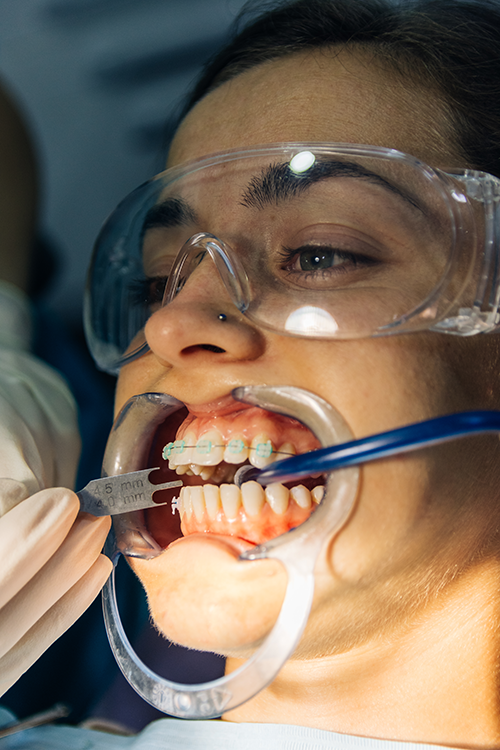
The actual placement of Damon Braces is painless and usually takes about 1–2 hours.
Here’s what happens
- Teeth are cleaned and prepared
- Brackets are bonded to each tooth
- A thin archwire is inserted into the self-ligating brackets
- The sliding mechanism is activated
Unlike traditional braces, no elastic bands are used to tie the wire in place. This is one of the key reasons for reduced friction and improved comfort.
After placement, you may feel mild pressure, but this is temporary.
Stage 4: First Few Days After Placement
The first week is usually the most noticeable phase of treatment.
You may experience:
- Mild soreness or pressure in teeth
- Slight difficulty chewing hard foods
- Increased awareness of brackets in the mouth
This discomfort is a normal sign that your teeth are beginning to move.
Most patients adapt within 3–7 days. Soft foods like soups, yogurt, and mashed foods are recommended during this period.
Stage 5: Adjustment Visits and Progress Tracking
One of the biggest differences between Damon Braces and traditional braces is the frequency of visits.
With Damon Braces
- Appointments are typically every 6–10 weeks
- Adjustments are quicker and more comfortable
- Less force is applied during each visit
During these appointments, your orthodontist will:
- Monitor tooth movement
- Change or adjust archwires
- Ensure progress is on track
Because of the self-ligating system, adjustments are generally smoother and less painful compared to traditional tightening sessions.
Stage 6: Visible Changes in Your Smile
One of the most motivating parts of Damon Braces treatment is seeing visible improvement over time.
Patients often notice:
- Straighter front teeth within a few months
- Reduced crowding or spacing
- Improved alignment of bite
- Gradual enhancement of facial symmetry
Damon Braces are designed to move teeth in a more natural path, which may also improve smile width and facial aesthetics in some cases.
Stage 7: Oral Hygiene During Treatment

Maintaining good oral hygiene is essential throughout your braces journey.
You will need to:
- Brush after every meal or at least twice daily
- Use a soft-bristled toothbrush or orthodontic brush
- Floss using special floss threaders or water flossers
- Avoid sticky or hard foods that can damage brackets
Because Damon Braces do not use elastic ties, they are often easier to clean compared to traditional braces, reducing plaque buildup around brackets.
Stage 8: Diet and Lifestyle Adjustments
During treatment, you will need to make a few dietary changes.
Foods to avoid
- Hard nuts and candies
- Chewing gum
- Sticky toffees and caramel
- Very crunchy foods like popcorn
Recommended foods
- Soft fruits
- Cooked vegetables
- Pasta and rice
- Dairy-based foods
These adjustments help prevent bracket damage and ensure smooth treatment progress.
Stage 9: Comfort and Pain Management
Damon Braces are widely known for being more comfortable than traditional braces due to their low-friction system.
However, mild discomfort can still occur:
- After initial placement
- After wire changes
- During periods of active tooth movement
This discomfort is usually mild and temporary. Over-the-counter pain relief and soft foods are often sufficient if needed.
Stage 10: Treatment Duration
Treatment time varies depending on individual cases, but Damon Braces may sometimes reduce overall duration compared to traditional braces.
Typical duration:
- Mild cases: 12–18 months
- Moderate cases: 18–24 months
- Complex cases: 24+ months
Factors influencing duration include:
- Severity of misalignment
- Patient compliance
- Bone response to tooth movement
Stage 11: Final Phase and Braces Removal
Once your teeth are properly aligned, the braces are carefully removed.
This process involves:
- Removing brackets gently
- Cleaning adhesive from teeth
- Polishing the enamel surface
You will immediately notice a transformed smile, but the journey does not end here.
Stage 12: Retainers and Long-Term Maintenance
After braces removal, retainers are essential to maintain your results.
You may be given:
- Fixed retainers (bonded behind teeth)
- Removable retainers (worn at night)
Without retainers, teeth may gradually shift back to their original positions. This phase is crucial for long-term success.
Benefits of Damon Braces
Damon Braces offer several advantages:
- Reduced discomfort due to low friction
- Fewer orthodontic visits
- Potentially shorter treatment time
- Easier cleaning compared to traditional braces
- Improved facial and smile aesthetics in many cases
Damon Braces represent a modern evolution in orthodontic treatment, combining advanced technology with patient comfort and efficiency. While the journey still requires time and discipline, the experience is generally smoother and more comfortable than traditional braces. From the initial consultation to the final retainer phase, each step is carefully planned to guide your teeth into a healthier, more balanced position. Contact us at 800777000 to book an appointment with our Specialist Orthodontists at Go Dental Clinics.