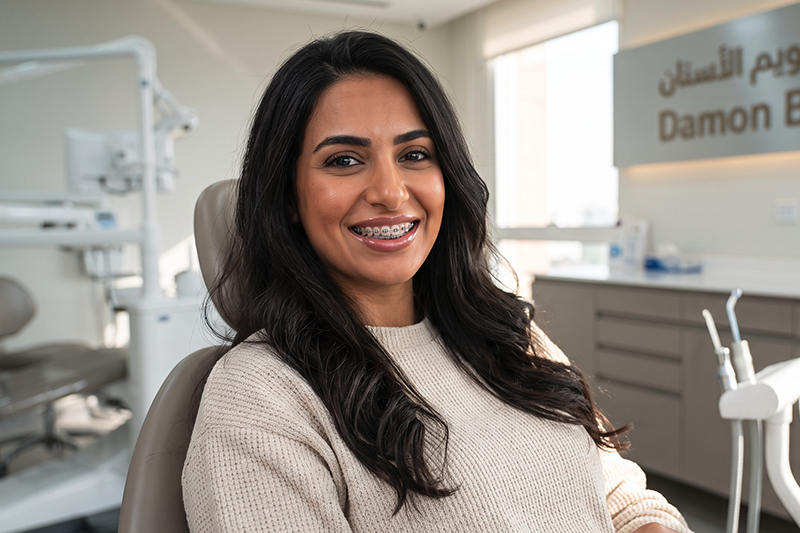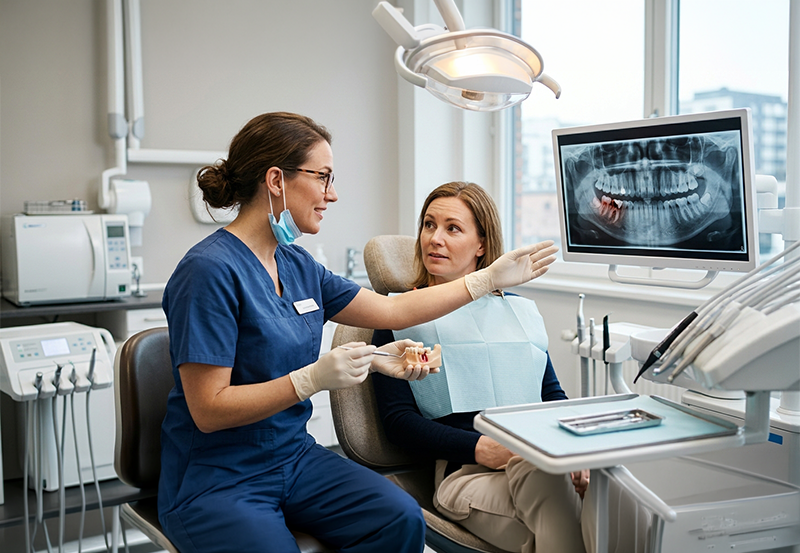


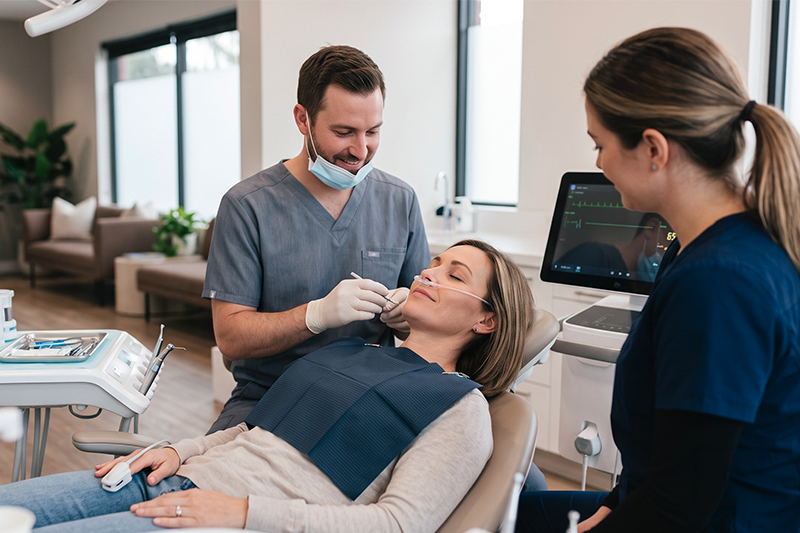
Sedation dentistry offers a safe and effective solution by helping patients feel relaxed and comfortable while receiving the dental care they need. By reducing stress and improving the overall treatment experience, sedation dentistry can make longer or multiple dental procedures more manageable for both patients and dental professionals.
What Exactly Is Sedation Dentistry?
Sedation dentistry is a technique used by dentists to help patients relax during dental procedures. It involves using medication to reduce anxiety, discomfort, and awareness of time.
Now, sedation isn’t one single method. It comes in different levels:
- Mild sedation (like laughing gas/nitrous oxide): You’re awake but relaxed
- Moderate sedation (oral sedatives): You may feel drowsy and not remember much
- Deep sedation (IV sedation): You’re on the edge of sleep but can still be awakened
- General anesthesia (rare in routine dentistry): You’re fully asleep
The type used depends on your procedure, medical history, and comfort level.
Sedation dentistry is often used for patients who need complex or multiple treatments in a single visit, helping reduce stress and improve overall comfort.
Why Dental Procedures Feel Long or Overwhelming
Dentistry isn’t usually about just one quick filling.
Sometimes patients need:
- Multiple tooth fillings
- Tooth extractions
- Root canal treatments
- Crowns or bridges
- Implant placement
- Deep cleaning or gum treatment
Individually, each procedure might be manageable. But when they are combined or done in one sitting, it can feel like a marathon.
There are a few reasons it becomes mentally tiring:
- Sitting in one position for too long
- Dental sounds and vibrations
- Anxiety building over time
- Jaw fatigue from keeping your mouth open
- Fear of discomfort or pain
Even if modern dentistry is relatively painless, the anticipation of discomfort can make time feel slower. This is where sedation dentistry completely changes the experience.
How Sedation Dentistry Makes Long Procedures Easier
1. It Reduces Anxiety from the Start
Dental anxiety is real and very common. Some patients feel nervous the moment they enter the clinic, even before treatment begins. Sedation helps calm the nervous system. Instead of feeling tense or alert, you feel relaxed, emotionally detached from the procedure, and more at ease. This makes a huge difference when multiple treatments are planned in one visit.
2. Time Feels Like It Passes Quickly
Sedation alters your perception of time. This is especially helpful during lengthy procedures like implant placement or full-mouth rehabilitation. You’re still being treated effectively, but your brain isn’t tracking every minute.
3. Multiple Procedures Can Be Done in One Visit
Without sedation, a dentist may need to break treatment into several appointments due to patient fatigue or discomfort.
With sedation:
- More treatments can be completed at once
- Fewer appointments are needed
- Overall treatment becomes more efficient
This is especially helpful for patients undergoing smile makeovers, implant surgeries, or full restorative work.
4. Reduces Gag Reflex and Physical Discomfort
Some people naturally have a strong gag reflex or find dental instruments uncomfortable in the mouth.
Sedation helps relax the muscles, reducing:
- Gagging
- Jaw stiffness
- Sensitivity to instruments
This allows the dentist to work more efficiently while you remain comfortable.
5. Helps Patients with Special Needs or Medical Anxiety
Sedation dentistry is also valuable for:
- Patients with extreme dental phobia
- Individuals with special needs
- People who struggle to sit still for long periods
- Patients with sensitive teeth or jaw issues
It creates a controlled, calm environment where treatment can be done safely and effectively.
What Does Sedation Feel Like?
This is one of the most common questions patients ask. The experience of sedation depends on the level used during the procedure.
Mild Sedation
With mild sedation, you remain fully awake but feel relaxed, calm, and slightly detached from the surroundings. You are still able to respond normally, but anxiety is significantly reduced.
Moderate Sedation
With moderate sedation, you may feel drowsy or in a dream-like state. Many patients do not remember much of the procedure afterward and often feel as if time has passed very quickly.
Deep Sedation
With deep sedation, you are in a very drowsy state and may have little awareness of the procedure. However, you remain comfortable and deeply relaxed throughout the treatment.
Importantly, regardless of the level used, you are continuously monitored by trained dental professionals to ensure your safety and comfort at all times.
Is Sedation Dentistry Safe?
Yes, when performed by trained dental professionals, sedation is very safe.
Before recommending it, your dentist will review:
- Medical history
- Allergies
- Current medications
- Anxiety levels
- Type of dental procedure required
During treatment, your vital signs (like heart rate and oxygen levels) are continuously monitored.
Safety is always the top priority.
Who Benefits Most from Sedation Dentistry?
Sedation isn’t only for extreme cases. It can be helpful for a wide range of patients, including:
1. Patients with Dental Anxiety

Even mild nervousness can make long procedures feel stressful.
2. People Undergoing Multiple Treatments
If you need several procedures, sedation helps combine them efficiently.
3. Patients with Low Pain Tolerance
Even with anesthesia, some people prefer added relaxation.
4. Sensitive Gag Reflex Patients
Sedation helps reduce involuntary reactions.
5. Busy Professionals
Completing multiple treatments in fewer visits saves time and reduces disruption.
Common Procedures Where Sedation Helps
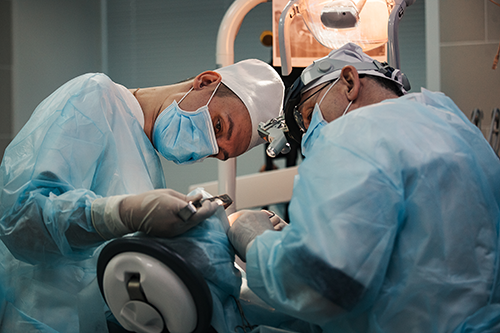
Sedation dentistry is especially useful for:
- Dental implants
- Tooth extractions (including wisdom teeth)
- Full-mouth restorations
- Multiple root canals
- Deep scaling and gum therapy
- Cosmetic smile makeovers
These procedures often take longer or require precision over extended periods.
What Happens Before Sedation?
Before your procedure, your dentist will:
- Evaluate your health
- Discuss sedation options
- Explain what you should expect
- Give pre-treatment instructions (like fasting if required)
You’ll also have a chance to ask questions and express any concerns. This preparation step is important because it helps tailor sedation to your exact needs.
What Happens During the Procedure?
Once sedation begins:
- You’ll feel calm and relaxed
- The dental team begins treatment
- Your vital signs are monitored continuously
- You may drift in and out of awareness
Even though you may not remember much afterward, the dentist is fully in control and ensures everything is done safely and precisely.
What Happens After Sedation?
Recovery depends on the type of sedation used.
- Mild sedation wears off quickly
- Moderate or deep sedation may require a few hours of rest
- You may need someone to accompany you home
Most patients describe the recovery experience as smooth and surprisingly easy.
You might feel a little drowsy, but discomfort is usually minimal.
Why Sedation Dentistry Is Changing Patient Experience

In the past, people often delayed or avoided dental treatment due to fear or time constraints.
Today, sedation dentistry is changing that completely by:
- Making long procedures manageable
- Reducing fear and anxiety
- Improving treatment accuracy (because patients are still and relaxed)
- Allowing more work in fewer visits
This shift is especially important in modern multi-specialty dental clinics where complex treatments are common.
Sedation dentistry has transformed the way patients experience dental care, making even complex treatments more manageable and stress-free. It allows patients to receive the care they need comfortably, while dentists can work more efficiently and precisely in a relaxed environment. If anxiety or treatment length has been holding you back, sedation options may be the solution that changes your entire perspective on dental visits.
To learn more or to see if sedation dentistry is right for you, contact our dental specialists at Go Dental Clinics at 800 777 000 and schedule a consultation.